Content Pillars Examples: How to Pick 3 to 5 Themes

Short answer
Content pillars are three to five recurring themes a business posts about, such as expertise, behind the scenes, customer questions and offers. A dental practice might use prevention tips, treatment explained, team and patient questions. Good pillars come from real customer questions and each should easily yield ten post ideas.
The hardest part of running a business account is not editing video. It is Monday morning, staring at an empty calendar, asking the same question as last Monday: what do we post this week? Answer it from scratch every time and you end up with holiday greetings and a photo of the new company van.
Content pillars don’t remove that question. They shrink it. “What do we post?” becomes “What’s this week’s customer-question post?”, which most people can answer on the spot.
What a content pillar is
Think of a pillar as a theme broad enough to feed posts for months. “Our new cargo bike” is a topic; “how we work” is a pillar. You should be able to come back to it every week without repeating yourself.
Pillars are not formats either. Reels, carousels and text posts are packaging; the pillar is what’s inside. Any of them can be a carousel.
Four steps to find yours
Plenty of guides tell you to start with company values. That tends to produce pillars like “sustainability” or “innovation”, which are hard to turn into something concrete every Tuesday. Working backwards from your audience is more reliable.
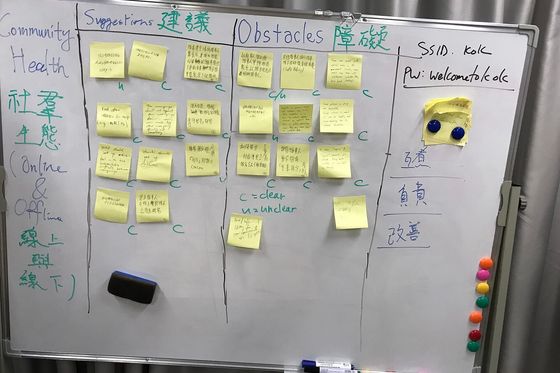
- Collect questionsWrite down 30 real questions from emails, calls, reviews and sales conversations.
- Group themSort them by theme. You'll usually end up with four to six groups.
- Fill the gapsAdd a behind-the-scenes pillar and an offers pillar if they aren't there yet.
- Stress-testWrite ten post ideas per pillar. If you can't reach ten, the pillar is too narrow.
That last step matters most. If you can’t think of ten ideas while planning, you will not think of them on a busy Thursday either.
Content pillars examples for five businesses
The sets below are illustrations, not case studies. They show how differently pillars look depending on what you sell.
| Business | Pillar 1 | Pillar 2 | Pillar 3 | Pillar 4 |
|---|---|---|---|---|
| Dental practice | Prevention tips | Treatments explained | Team and practice life | Patient questions |
| Accounting firm | Deadlines and rule changes | Common freelancer mistakes | Life at the firm | Hiring |
| Coffee roaster | Origins and farms | Brewing guides | Roastery behind the scenes | New releases and offers |
| B2B software | Solving the buyer’s problem | Product in use | Team and roadmap | Customer results |
| Independent gym | Training technique | Member progress (with consent) | Coaches and classes | Memberships and events |
Notice that nobody has a pillar called “our values”. Values come through in how you talk about treatments, coffee farms or coaching. Dedicated posts about values rarely land.
What a balanced mix looks like
Pillars don’t get equal airtime. Here is one possible split for a local service business whose main goal is trust:
- Expertise and tips35 %
- Behind the scenes30 %
- Customer questions and projects20 %
- Offers15 %
Illustrative values, not a benchmark. Weight your pillars according to your goal.
Offers get the smallest share on purpose. Accounts that mostly sell get scrolled past. If your goal for the next six weeks is bookings for a new service, though, the offers pillar can grow for a while. The weighting should follow the goal written into your social media strategy.
Pairing pillars with formats
To keep pillars from getting stale, build a small grid: pillars as rows, formats as columns. Each cell becomes a repeatable idea.
| Pillar | Carousel | Short video | Single image or text |
|---|---|---|---|
| Expertise | “5 mistakes when…” | 30-second explainer | One number with context |
| Behind the scenes | Process in steps | Time-lapse of a job | Portrait with a quote |
| Customer questions | Question and answer as slides | Answer straight to camera | Screenshot of the question, anonymised |
| Offers | Before and after | Quick demo | Price and date stated plainly |
One data point on formats is worth knowing. Rival IQ’s 2025 benchmark report, covering 2,100 brands, found that carousels outperformed Reels on Instagram engagement. That’s no reason to drop video, since Reels often reach more non-followers. It does mean a well-made expertise carousel is more than a fallback for teams without a camera.
Testing which pillar earns its place
Tag every post with its pillar in your content calendar. After three months, average your key metric per pillar: engagement rate, link clicks, or enquiries via DM, whichever matches your goal.
Two patterns show up again and again. One pillar with high engagement but no clicks or enquiries is good for visibility and weak for business. A pillar with few likes that regularly produces enquiries is often worth more than its numbers suggest. To compare engagement fairly across posts, use one consistent formula, as described in how to calculate engagement rate.
Watch the maths with small samples. With ten to fifteen posts per pillar, one viral outlier can drag the average up. Check the median as well, or drop the best and worst post before comparing.
Mistakes with pillars
The classic one is a pillar only the company cares about. “Company news” sounds sensible and turns into a dumping ground for anniversaries, new coffee machines and trade-show attendance that hardly anyone outside the building notices. If you keep it, attach a rule: every post explains what the news means for customers or applicants.
Overlapping pillars are the second trap. “Tips” and “expertise” are the same thing, so nobody knows where a post belongs and your per-pillar numbers become meaningless.
Third: pillars nobody can actually feed. “Customer stories” sounds great but needs customers who agree to take part, approve photos and spare twenty minutes. Without someone organising that, the pillar stays empty.
Keeping the idea list full
Your best source stays the question list from step one. Keep it open as a shared document where anyone on the team can add new questions. People in sales or on the phones collect more material in a week than a brainstorm does in a month.
AI tools are handy for turning one question into five hooks and format options; you still need to check facts and tone yourself, see AI for social media content. Teams that want incoming questions from inboxes and comments sorted automatically can set up a small AI system that tags each one with a pillar.
Next step: collect 30 real customer questions by Friday, group them and write ten post ideas for each group. The groups where that works are your pillars.
Questions people ask
How many content pillars should I have?
Three to five. Two gets repetitive quickly; seven or more blurs the profile of the account and makes planning messy.
Should promotions be their own pillar?
Yes, but keep it small. When offers make up more than about a fifth of posts, the account starts to feel like a flyer. The other pillars build the trust your offers need.
Do pillars have to be the same on every platform?
Keep the pillars, change the weighting. Expertise may deserve more space on LinkedIn, behind-the-scenes content more on Instagram.
What is the difference between content pillars and content buckets?
In practice they mean the same thing. Some marketers use buckets for content types and pillars for themes, but the distinction is not standardised.